
Smart Technology Integration in Modern Kitchen Design: A Complete Guide
By Prefect Home Services · · 13 min read
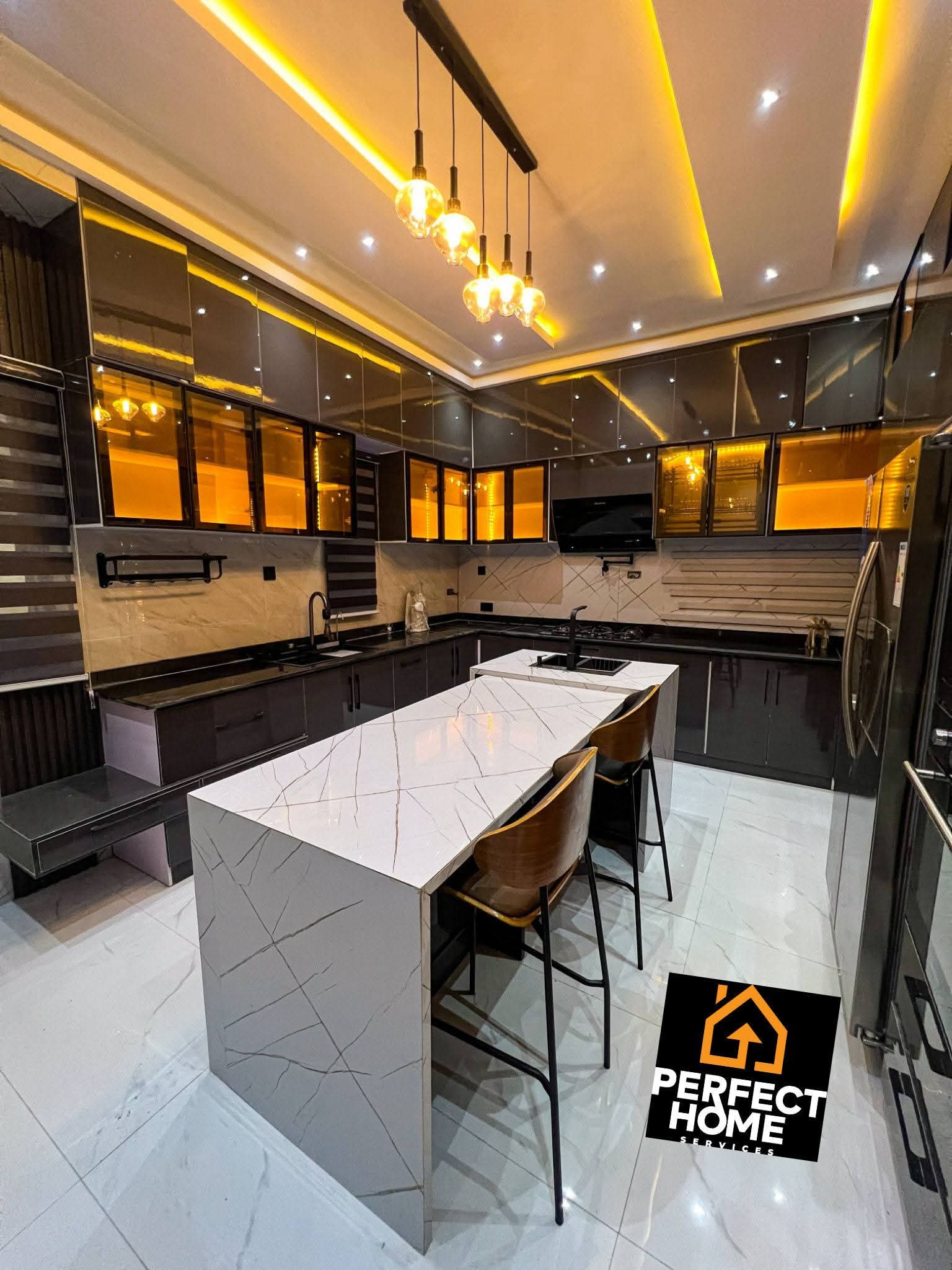
Smart Technology Integration in Modern Kitchen Design: A Complete Guide:
Modern kitchens are evolving beyond traditional cooking spaces into intelligent, stylish and highly functional environments. With advances in connected appliances, automated lighting and smart home systems, homeowners can now enjoy greater convenience, improved energy management and a more personalised cooking experience.
Smart technology integration in modern kitchen design combines innovative technology with thoughtful interior design to create kitchens that are practical, beautiful and adaptable to everyday needs.
At Perfect Home Services, we believe that a well-designed kitchen should combine aesthetics, functionality and innovation. Whether you are planning a complete kitchen renovation or upgrading your existing space, integrating smart technology can help transform your kitchen into a comfortable and efficient part of your home.
In this guide, we explore the best smart kitchen technologies, their benefits, design considerations and practical ways to create a modern kitchen that suits your lifestyle.
What Is Smart Technology Integration in Modern Kitchen Design?
Smart technology integration in modern kitchen design involves incorporating connected appliances, automated lighting, intelligent controls and monitoring systems into a kitchen to improve convenience, safety and functionality.
Depending on the devices selected, homeowners can control certain kitchen functions using smartphones, voice assistants, touchscreens or automated settings.
Common examples of smart kitchen technology include:
Smart refrigerators with food-monitoring and inventory features.
Connected ovens that allow remote monitoring and control.
Smart lighting systems with adjustable brightness and scheduling.
Touchless kitchen faucets with sensor-activated controls.
Automated cabinet lighting and selected motorised storage systems.
Smart home assistants that support timers, reminders and voice commands.
Connected sensors for water leaks and other household safety concerns.
The purpose of a smart kitchen is not simply to introduce more gadgets. It is to use technology strategically to make everyday activities easier while maintaining an attractive, cohesive interior.
7 Smart Technologies Transforming Modern Kitchen Design:
1. Smart Kitchen Appliances:
Smart appliances are among the most popular features of contemporary kitchen design. They can simplify cooking, improve food management and provide more control over household routines.
Smart refrigerators may offer temperature monitoring, door-open alerts, internal cameras or inventory-management features. Connected ovens may provide remote monitoring, guided cooking programmes and notifications when food is ready.
Smart dishwashers can also offer cycle notifications, maintenance alerts and app-based controls, depending on the model.
When selecting smart appliances, consider their size, energy efficiency, connectivity requirements and compatibility with your kitchen layout.
Built-in appliances can create a seamless appearance by aligning with cabinetry, while carefully selected freestanding appliances can introduce character and contrast.
At Perfect Home Services, thoughtful appliance placement helps ensure that technology complements the overall design rather than overwhelming it.
2. Smart Lighting Systems:
Lighting is essential to both the functionality and appearance of a modern kitchen. Smart lighting technology allows homeowners to adjust brightness, schedule lighting and control compatible fixtures using switches, apps or voice commands.
An effective kitchen lighting plan combines three main types of lighting.
Task lighting: Provides focused illumination for food preparation, cooking and cleaning. Under-cabinet LED lighting is particularly useful for illuminating worktops.
Ambient lighting: Creates comfortable general illumination throughout the kitchen.
Accent lighting: Highlights decorative features such as pendant lights, open shelving, splashbacks and display cabinets.
Smart dimmers and adjustable lighting systems can help create different atmospheres throughout the day. Bright lighting may be useful during food preparation, while softer illumination can make the kitchen more inviting when entertaining guests.
For the best results, lighting should be planned alongside cabinetry, ceiling details and electrical points.
3. Voice-Controlled Kitchen Technology:
Voice-controlled technology makes it possible to operate compatible devices using spoken commands. This can be particularly useful when preparing meals or handling ingredients.
Depending on the system, homeowners may be able to switch compatible lights on and off, set cooking timers, play music, access recipes and check certain appliance settings.
Voice assistants can also help with measurement conversions and reminders, making everyday cooking more convenient.
However, voice control should complement rather than replace manual controls. Kitchen noise, connectivity problems and device compatibility can affect performance.
A well-designed smart kitchen incorporates voice-controlled features where they provide genuine value while keeping essential controls accessible.
4. Smart Faucets and Water Management:
Smart and touchless faucets introduce convenience and improved control into modern kitchen design.
Depending on the product, these faucets may use motion sensors, touch activation or other electronic controls to dispense water. Some systems also offer measured dispensing or water-use monitoring.
These features can be helpful when your hands are occupied during food preparation.
When choosing a smart faucet, consider the sink position, plumbing requirements, power supply and maintenance needs.
Water-saving features may reduce unnecessary water use, although the actual results depend on the product and household habits.
Combining an appropriate faucet with durable worktops, functional sink placement and easy-to-clean finishes creates a kitchen that is both attractive and practical.
5. Smart Storage and Automated Cabinetry:
Effective storage is one of the foundations of good kitchen design. Technology can enhance storage by improving visibility, access and organisation.
Useful options include:
Motion-activated lighting inside cabinets and pantries.
Compatible motorised drawers and cabinet-opening systems.
Integrated charging stations for household devices.
Pull-out storage systems for cookware and ingredients.
Digital inventory tools for tracking selected food items.
Not every storage solution needs automation. Well-planned drawers, pantry shelves and pull-out organisers can often provide excellent functionality without the additional cost of electronic mechanisms.
The key is to understand how the household uses the kitchen and design storage around those routines.
Perfect Home Services can incorporate practical storage planning into a coordinated kitchen design, helping homeowners make better use of available space while maintaining a clean, modern appearance.
6. Energy-Efficient Smart Kitchen Systems:
Energy management is an important consideration when designing a modern kitchen.
Some smart appliances provide energy-monitoring information, scheduling features and operating modes intended to improve efficiency. Smart lighting can also reduce unnecessary electricity use when configured appropriately.
Other important considerations include:
Choosing appropriately sized, energy-efficient appliances.
Using efficient LED task lighting.
Avoiding unnecessary standby power consumption.
Planning ventilation and extraction correctly.
Ensuring that electrical circuits can support the selected equipment.
Smart technology does not automatically guarantee lower electricity bills. Savings depend on appliance efficiency, usage habits, electricity costs and system configuration.
For homeowners in Nigeria, power reliability should also be considered during the planning stage. Confirm which devices require backup power and ensure that high-load appliances are compatible with the home's electrical infrastructure.
7. Smart Kitchen Safety and Monitoring:
Safety is a fundamental part of modern kitchen design. Smart monitoring systems can provide additional awareness of certain household risks.
Depending on the products installed, useful features may include water-leak sensors, appliance status notifications, temperature monitoring and compatible automatic shut-off controls.
Other essential measures include suitable smoke alarms, appropriate carbon monoxide detection where relevant, safe appliance installation and accessible shut-off points.
Smart safety features should supplement proper installation, routine maintenance and standard safety equipment rather than replace them.
When technology is integrated thoughtfully, it can help create a kitchen that feels more secure without compromising its appearance.
How to Integrate Smart Technology Into Your Kitchen Design:
Choosing the right technology is only part of the process. Successful smart kitchen design requires coordination between appliances, cabinetry, lighting, electrical systems and the overall interior style.
Choose a Consistent Interior Design Style:
Decide whether you prefer a minimalist kitchen, a warm contemporary interior or a more luxurious aesthetic.
Integrated appliances and concealed charging points can create a streamlined appearance. Natural wood, textured finishes and carefully selected hardware can soften the look of modern technology.
The objective is to ensure that every element contributes to a cohesive design.
Plan Electrical Outlets and Connectivity Early:
Smart appliances may require dedicated electrical circuits, reliable Wi-Fi or specific installation arrangements.
Plan sockets, switches, appliance connections and network access before cabinetry and finishes are installed.
For larger renovation projects, work with qualified professionals to confirm electrical capacity, installation requirements and compliance with applicable regulations.
Prioritise Practical Features:
Not every kitchen needs a fully automated system.
If you cook frequently, a connected oven may be useful. If you want a more inviting atmosphere, smart lighting could be a better starting point. If storage is your main concern, focus on functional cabinetry and pantry organisation.
Choose technology that addresses real needs rather than features that are unlikely to be used.
Check Compatibility and Maintenance Requirements:
Before purchasing smart appliances, confirm that they work with your preferred smart home platform and other connected devices.
Check warranty coverage, software support, repair options and whether essential functions remain available without an internet connection.
It is also important to maintain access to appliances, sensors and electronic components for cleaning and servicing.
Balance Technology With Timeless Materials:
A modern smart kitchen should still feel warm and welcoming.
Wood cabinetry, stone worktops, carefully chosen splashbacks and layered lighting can balance the clean lines of connected appliances.
This combination creates an interior that feels contemporary without becoming overly technical or impersonal.
Benefits of Smart Technology in Modern Kitchen Design:
When selected and installed correctly, smart kitchen technology can provide several advantages.
Greater convenience: Connected appliances and automated controls can simplify everyday kitchen tasks.
Improved organisation: Storage solutions and selected monitoring tools can make it easier to manage food, cookware and supplies.
Flexible lighting: Adjustable lighting can support cooking, cleaning, entertaining and relaxation.
Potential energy savings: Efficient appliances and suitable automation may reduce unnecessary energy consumption.
Additional safety monitoring: Compatible sensors can provide alerts about certain household issues.
Personalised functionality: Smart features can be configured around individual routines and preferences.
A contemporary appearance: Integrated technology can support a refined kitchen aesthetic while preserving practical functionality.
The benefits depend on the equipment selected, the quality of installation and how well the design meets the household's needs.
Smart Kitchen Design Ideas for Different Budgets:
Smart kitchen technology can be introduced gradually. You do not necessarily need to replace every appliance or renovate the entire kitchen at once.
Budget-Friendly Upgrades:
Consider starting with:
Compatible smart lighting or lighting switches.
Motion-activated cabinet lights.
A smart speaker for timers and supported voice commands.
A well-organised device charging station.
Selected compatible monitoring devices.
Always check device ratings and manufacturer instructions before installation. Ordinary smart plugs should not be used with high-power cooking appliances unless the manufacturer explicitly approves that arrangement.
Mid-Range Kitchen Improvements:
A more substantial upgrade could include:
Sensor-activated faucets.
Selected connected appliances.
Smart dimmers and layered lighting.
Improved pantry and cabinet organisation.
Compatible ventilation or water-leak monitoring controls.
These upgrades can often be incorporated into a partial renovation, depending on the existing infrastructure.
Premium Smart Kitchen Design:
A premium smart kitchen may include:
Built-in connected refrigerators and ovens.
Integrated dishwashers and coordinated appliance finishes.
Custom cabinetry with concealed appliance storage.
Automated lighting scenes.
Centralised smart home controls.
Advanced water-leak monitoring.
Professionally planned electrical and network infrastructure.
Total costs depend on the kitchen's size, chosen products, installation requirements, cabinetry and local labour rates.
A phased approach can help homeowners prioritise the most valuable features while planning future upgrades.
Smart Kitchen Design Considerations for Nigerian Homes
For Nigerian homeowners, smart kitchen planning should account for local infrastructure and daily living conditions alongside aesthetics.
Power Supply and Backup Systems:
Some connected appliances require continuous electricity or lose certain features during power interruptions.
Identify which devices need backup power and confirm compatibility with your inverter, generator or other backup arrangement. High-load appliances require particular attention to circuit capacity and protection.
Internet Connectivity:
Some smart devices depend on cloud services, while others can operate through local connections.
If internet reliability is a concern, consider systems with useful offline controls and verify which functions remain available without an internet connection.
Durable and Easy-to-Maintain Materials:
Kitchens experience heat, moisture, grease and frequent cleaning. Choose finishes suitable for their intended applications and ensure that appliance vents, sensors and electronic controls remain accessible.
Professional Installation:
Electrical work, plumbing, cabinetry and appliance integration should be coordinated carefully.
Professional planning helps identify compatibility issues early and reduces the likelihood of expensive modifications after installation.
At Perfect Home Services, a considered approach to kitchen design can help homeowners create spaces that combine modern functionality with practical local requirements.
Common Mistakes to Avoid When Designing a Smart Kitchen:
Even advanced technology can become frustrating when poorly planned. Avoid these common mistakes:
Installing unnecessary features: Every smart device should provide a clear practical benefit.
Ignoring compatibility: Confirm that appliances and controls work together before purchasing them.
Overlooking electrical planning: Insufficient outlets or unsuitable circuits can complicate installation.
Sacrificing storage: A functional layout and adequate worktop space should remain priorities.
Neglecting maintenance: Ensure that appliances and electronic components remain accessible for servicing.
Assuming all smart devices save energy: Compare actual efficiency ratings and expected operating costs.
Ignoring digital security: Use strong passwords, secure your home network and keep supported devices updated.
The best smart kitchen is not necessarily the one with the most technology. It is the one where each feature makes the space more useful, comfortable and reliable.
Why Choose Perfect Home Services for Your Kitchen Design?
Creating a modern kitchen involves more than selecting attractive cabinets and appliances. It requires thoughtful space planning, coordinated lighting, functional storage, appropriate materials and careful consideration of technology.
Perfect Home Services can help homeowners approach kitchen design as a complete project, with aesthetics and practical functionality working together.
Whether you are planning a kitchen renovation, updating cabinetry or exploring smart home integration, the right design process can help you make informed decisions about layouts, finishes, appliances and future upgrades.
Start by identifying your priorities, establishing a realistic budget and considering the features that would make the greatest difference to your daily routine.
A well-designed kitchen should look beautiful, function efficiently and remain adaptable as your needs change.
Frequently Asked Questions About Smart Kitchen Design
What is smart technology integration in modern kitchen design?
It is the incorporation of connected appliances, automated lighting, smart controls and monitoring systems into a kitchen to improve convenience, functionality, safety and energy management.
What are the most useful smart kitchen appliances?
Connected ovens, smart refrigerators, compatible dishwashers, sensor-activated faucets and smart lighting systems can be useful. The right choices depend on your budget, cooking habits and preferred level of automation.
Can I turn my existing kitchen into a smart kitchen?
Yes. You can start with compatible lighting controls, motion-activated cabinet lights, a voice assistant or selected connected appliances. More extensive upgrades may require electrical, cabinetry or network changes.
Is smart kitchen design expensive?
Costs vary according to the products, installation requirements and scale of the project. Basic lighting upgrades may be relatively affordable, while a fully integrated kitchen with premium appliances requires a larger investment.
Can smart kitchen technology reduce electricity bills?
Some systems may help manage energy use, but savings are not guaranteed. Results depend on appliance efficiency, household habits, electricity prices and configuration.
Is smart kitchen technology suitable for Nigerian homes?
Yes, provided the design accounts for power reliability, backup power compatibility, internet access, local installation requirements and available maintenance support.
How do I choose the right smart kitchen technology?
Identify your priorities, compare compatible products and consider reliability, installation, warranty coverage and operating costs. Start with features that solve practical problems before investing in more advanced automation.
Conclusion:
Smart technology integration in modern kitchen design offers exciting opportunities to improve convenience, organisation, safety and everyday functionality.
From connected appliances and intelligent lighting to smart storage and safety monitoring, carefully selected features can transform the way homeowners use their kitchens.
However, technology delivers the greatest value when it is integrated into a well-planned interior that balances innovation with practical storage, durable materials and comfortable everyday use.
Ready to transform your kitchen? Contact Perfect Home Services to discuss your kitchen design and interior renovation needs. Let's create a beautiful, functional and modern kitchen designed around your lifestyle.
Ready to get started?
Talk to the Perfect Home Services team about your interior design, cleaning or real estate needs.
Book a Consultation