Colour and Texture in Interior Design: How to Create Beautiful and Balanced Spaces
By Prefect Homes · · 10 min read
Colour and Texture in Interior Design: How to Create Beautiful and Balanced Spaces
When designing an interior, furniture and decoration are only part of the equation. Colour and texture in interior design play a major role in determining how a space looks, feels, and functions.
The right combination of colours and textures can transform an ordinary room into a warm, elegant, modern, luxurious, or relaxing environment. On the other hand, poorly coordinated colours and finishes can make even an expensive interior feel disconnected.
Whether you are designing a new home, renovating an existing property, or simply looking for ways to improve your space, understanding how to use colour and texture can make a significant difference.
At Perfect Home Services, we believe that good interior design combines aesthetics, functionality, comfort, and personality to create spaces that truly work for the people who use them.
What Is Colour in Interior Design?
Colour in interior design refers to the colours used on walls, ceilings, floors, furniture, curtains, cabinetry, accessories, and other surfaces within a space.
Colour can influence the atmosphere of a room and affect how large, bright, warm, or relaxing it appears.
For example:
White can create a clean and spacious appearance.
Cream and beige can add warmth and softness.
Grey can create a contemporary and sophisticated feel.
Green can introduce a natural and calming atmosphere.
Blue can create a cool and relaxing environment.
Brown and wood tones can add warmth and a connection to nature.
Black can provide depth, contrast, and sophistication.
Orange and other warm colours can introduce energy and vibrancy.
The best colour scheme depends on the room, available lighting, existing finishes, personal preferences, and the mood you want to create.
What Is Texture in Interior Design? Texture refers to the visual or physical quality of a surface.
Texture can be introduced through materials such as:
Wood
Stone
Marble
Glass
Metal
Fabric
Leather
Rugs
Curtains
Tiles
Wall panels
Upholstery
Decorative finishes
Texture can be tactile, meaning you can physically feel it, or visual, meaning it creates the appearance of texture even when the surface itself is smooth.
For example, a marble-effect tile may have a smooth surface but still introduce visual texture through its natural-looking patterns.
Texture adds depth, character, and visual interest to an interior.
Why Are Colour and Texture Important in Interior Design?
Colour and texture work together to create balance and personality.
Imagine a room where every wall, piece of furniture, and accessory has the same colour and finish. Even if the furniture is attractive, the room may feel flat.
Introducing different textures creates layers and depth.
For example, a neutral living room can combine:
A soft fabric sofa
A textured rug
Natural wood furniture
Marble-effect surfaces
Glass elements
Metal lighting
Decorative cushions
Layered curtains
The colour palette can remain simple while the different textures make the room feel richer and more sophisticated.
How Colour Influences the Mood of a Space
Colour psychology is an important consideration when creating an interior.
Warm Colours
Colours such as orange, yellow, red, and warm earth tones can create energy, warmth, and visual excitement.
They can work well in social spaces such as living rooms and dining areas.
Cool Colours
Blue, green, and some shades of grey can create a calm and relaxing atmosphere.
They are often suitable for bedrooms, bathrooms, reading spaces, and relaxation areas.
Neutral Colours
White, cream, beige, taupe, and grey provide a versatile foundation.
Neutral colours can make it easier to introduce colour through furniture, artwork, accessories, lighting, and decorative finishes.
7 Ways to Use Colour and Texture in Interior Design
1. Start With a Colour Palette
Before selecting furniture and accessories, establish a basic colour palette.
A simple approach is to select:
A dominant colour
A secondary colour
One or two accent colours
For example, a living room could have neutral walls as the dominant colour, wood and upholstery as secondary elements, and carefully selected accent colours through cushions, artwork, or accessories.
This creates visual harmony without making the space feel monotonous.
2. Layer Different Textures
Texture becomes especially important when working with neutral colours.
You can combine:
Smooth + textured
Such as smooth walls with textured upholstery.
Soft + hard
Such as a soft rug with a stone or glass coffee table.
Matte + glossy
Such as matte cabinetry with glossy tiles or polished surfaces.
Natural + modern
Such as natural wood and plants combined with glass and metal.
These combinations create contrast and depth.
3. Consider the Size of the Room
Colour and texture can influence how large or small a space appears.
Lighter colours can help a compact room feel brighter and more open, while darker colours can create a more intimate atmosphere.
Heavy textures and large patterns can visually dominate smaller rooms, so they should be used carefully.
In larger rooms, stronger textures and statement finishes can help create warmth and character.
4. Consider Natural Lighting
Natural light can significantly change how a colour appears.
A wall colour may look different in:
Morning sunlight
Afternoon daylight
Evening light
Warm artificial lighting
Cool artificial lighting
For this reason, colours should ideally be considered within the actual environment where they will be used.
5. Create Contrast
Contrast can make an interior more visually interesting.
Examples include:
Light walls with dark furniture
Light wood with dark accents
Matte finishes with glossy surfaces
Soft fabrics with hard surfaces
Neutral colours with carefully selected accent colours
Contrast should be controlled rather than excessive.
6. Repeat Colours and Materials
Repeating selected colours, materials, or finishes throughout a space can create cohesion.
For example, the same wood tone could appear in:
TV console
Dining furniture
Doors
Kitchen cabinetry
Similarly, a black accent could appear in lighting, handles, furniture legs, and décor.
This creates a deliberate and connected interior.
7. Allow Some Elements to Breathe
Not every surface needs a bold colour or strong texture.
Simple walls and uncluttered areas provide visual rest and allow statement elements to stand out.
Good interior design is often about knowing what to add and what to leave out.
Colour and Texture Ideas for Different Rooms
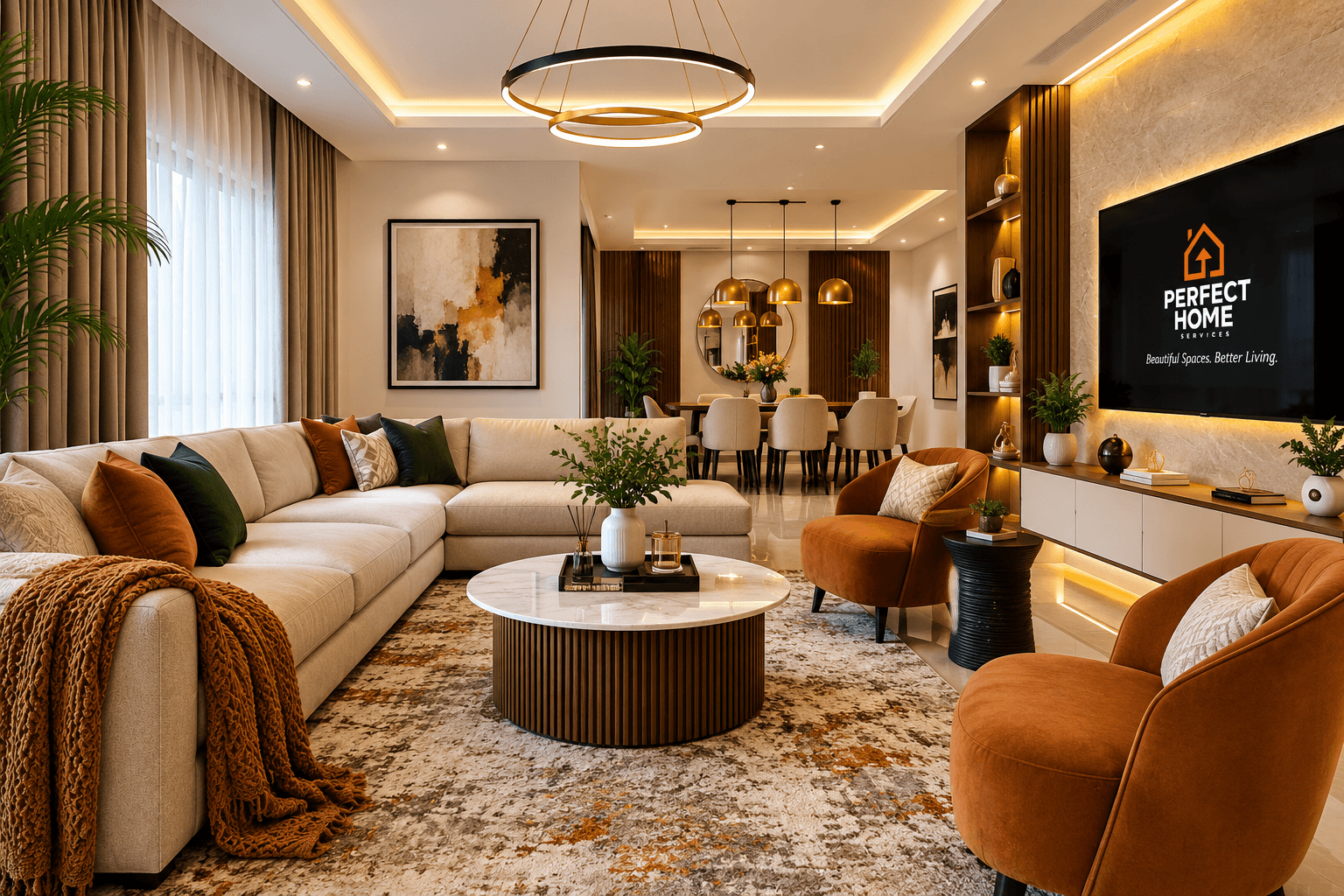
Living Room
The living room provides many opportunities for combining colour and texture.
Consider:
Textured rugs
Upholstered sofas
Decorative cushions
Curtains
Wood finishes
Wall panelling
Feature walls
Statement lighting
Neutral colours combined with natural wood, soft fabrics, and carefully selected accents can create a comfortable and sophisticated living room.
Bedroom
Bedrooms should generally feel calm and comfortable.
Soft colours and tactile textures can create a relaxing atmosphere.
Consider:
Upholstered headboards
Soft bedding
Curtains
Rugs
Cushions
Wood finishes
Warm lighting
Neutral wall colours
Layering different fabrics can add luxury without relying on strong colours.
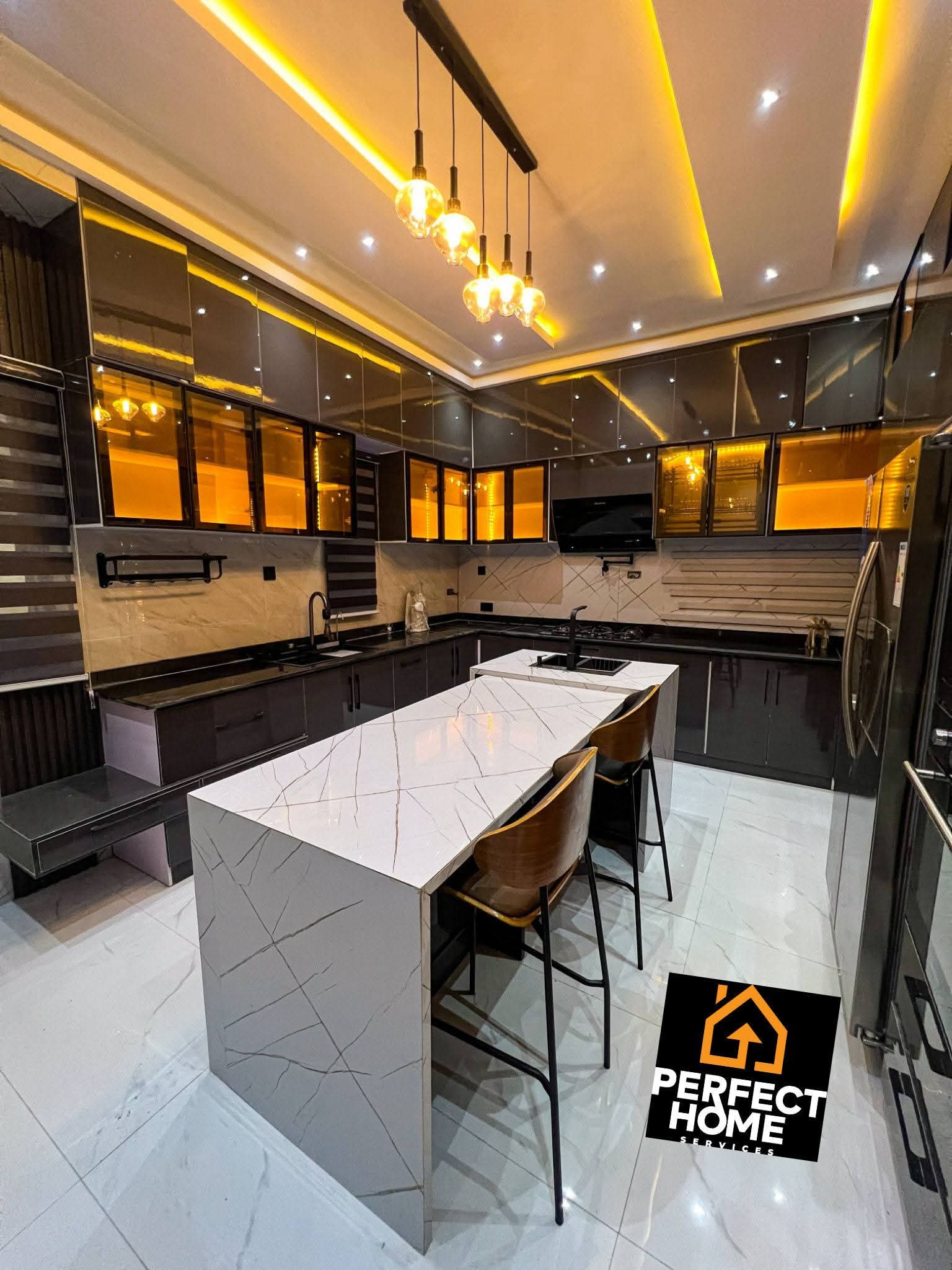
Kitchen
The kitchen can benefit from combining practical materials with contrasting finishes.
For example:
Glossy cabinets
Matte cabinets
Natural wood
Marble-effect countertops
Glass
Metal hardware
Textured backsplashes
The combination creates a kitchen that is both functional and visually appealing.
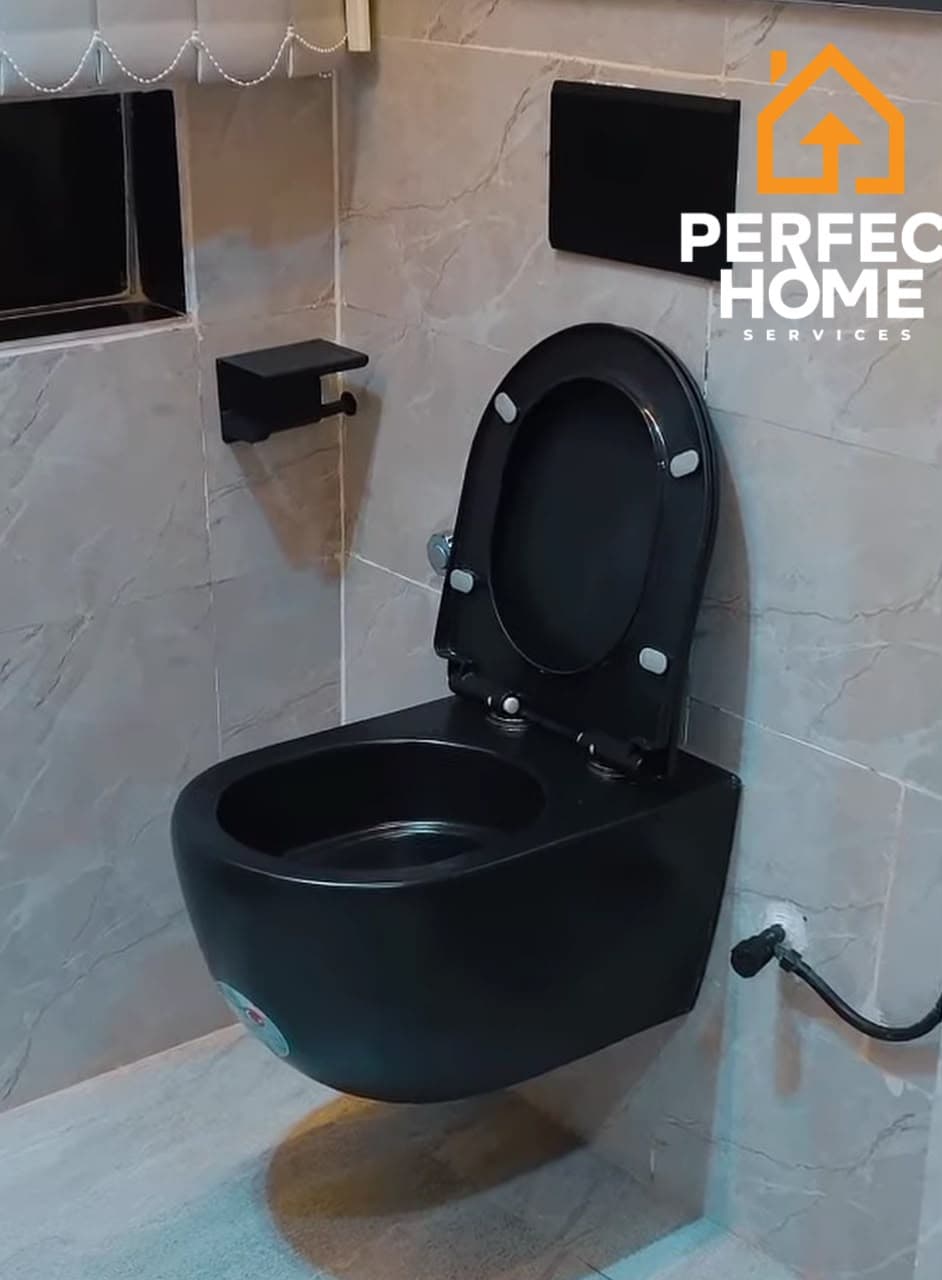
Toilet and Bathroom
Colour and texture can completely transform a toilet or bathroom.
Popular options include:
Marble-effect tiles
Stone-effect finishes
Textured tiles
Wood-effect finishes
Matte black fittings
Glass
Neutral colours
Warm lighting
Combining smooth and textured surfaces can create a modern luxury bathroom without excessive decoration.
How to Use Neutral Colours Without Making a Room Boring
Neutral interiors are popular because they are timeless and easy to coordinate.
However, using the same neutral shade everywhere can make a space feel flat.
Instead, introduce different textures and subtle variations.
For example, a beige living room could include:
Cream walls
Beige sofa
Natural wood furniture
Textured rug
Linen curtains
Patterned cushions
Decorative wall panels
Warm lighting
The colours remain understated, while the textures add depth and personality.
Common Colour and Texture Mistakes to Avoid
Using too many colours
Too many unrelated colours can make an interior feel chaotic.
Ignoring lighting
Lighting can dramatically affect how colours and finishes appear.
Using only one texture
A room where every surface has the same finish may feel flat.
Following trends blindly
A colour or material can be fashionable without being suitable for your particular space.
Ignoring existing finishes
New colours should work with existing flooring, doors, windows, furniture, and architectural elements.
Making everything a focal point
A successful design needs visual hierarchy. If everything demands attention, nothing stands out.
Colour and Texture in Modern Interior Design
Modern interiors are often associated with simplicity, clean lines, and functionality.
However, modern does not have to mean plain.
A contemporary interior can combine:
Neutral colours
Natural wood
Stone
Soft fabrics
Matte finishes
Glass
Metal
Subtle patterns
Layered lighting
This creates a sophisticated environment while maintaining a clean and uncluttered appearance.
The Role of Lighting in Colour and Texture
Lighting deserves special attention because it interacts with both colour and texture.
A textured wall may look completely different under direct lighting compared with soft ambient lighting.
Similarly, warm lighting can make beige, cream, brown, and other warm colours appear richer, while cooler lighting can make some colours appear sharper or more neutral.
For this reason, colour, texture, and lighting should be considered together during the interior design process.
How a Professional Interior Designer Can Help
Choosing colours, materials, and textures can become overwhelming when designing an entire home.
A professional interior designer can help you:
Develop a cohesive colour palette
Select suitable materials
Coordinate finishes
Choose furniture and fabrics
Plan lighting
Create visual balance
Select feature walls
Coordinate flooring and wall finishes
Create a consistent design throughout the home
Avoid costly design mistakes
Professional planning ensures that the individual elements work together rather than appearing disconnected.
Colour Consultation and Interior Design by Perfect Home Services
At Perfect Home Services, we understand that every space is different.
Our interior design approach considers colour, texture, lighting, materials, furniture, functionality, and personal style to create spaces that are beautiful, practical, and comfortable.
Whether you are designing a living room, bedroom, kitchen, toilet, office, or an entire home, our team can help you develop a cohesive interior design concept.
Our services include interior design, colour consultation, space planning, tiling, POP, painting, lighting, furnishing, house finishing, cleaning, fumigation, and other home improvement solutions.
Visit www.phsinteriors.com to learn more about Perfect Home Services.
Frequently Asked Questions About Colour and Texture in Interior Design
Why are colour and texture important in interior design?
Colour establishes the mood and visual identity of a space, while texture adds depth, dimension, and visual interest. Together, they help create a balanced and cohesive interior.
How do I choose colours for my home?
Consider the purpose of each room, natural lighting, existing finishes, furniture, personal preferences, and the atmosphere you want to create. Starting with a coordinated colour palette can make the process easier.
How can I add texture to a room?
You can introduce texture through rugs, curtains, upholstery, cushions, wall panels, wood, stone, tiles, artwork, accessories, and decorative finishes.
Can a neutral room still have character?
Yes. Layering different textures, materials, patterns, lighting, and subtle colour variations can give a neutral space plenty of depth and personality.
What colours make a room look bigger?
Light colours such as white, cream, soft beige, and light grey can help create a brighter and more spacious visual effect, especially when combined with good lighting.
Should every room in a house have the same colour?
Not necessarily. Different rooms can have different colour schemes, but repeating selected colours, materials, or finishes can create a cohesive overall design.
Final Thoughts
Colour and texture are much more than decorative elements. They are powerful interior design tools that can influence the atmosphere, depth, comfort, and personality of a space.
The right combination of colour, texture, lighting, materials, and furniture can transform an ordinary room into a beautifully designed environment.
Whether you prefer a minimalist neutral interior, a warm contemporary home, a luxurious space, or a bold modern design, thoughtful use of colour and texture can bring the entire concept together.
At Perfect Home Services, we help homeowners and businesses turn their spaces into environments that reflect their personality, lifestyle, and vision.
Ready to transform your space? Contact Perfect Home Services today for professional interior design and home improvement services.
Ready to get started?
Talk to the Perfect Home Services team about your interior design, cleaning or real estate needs.
Book a Consultation