Minimalist Interior Design
By Prefect Homes · · 10 min read
Minimalist Interior Design: Styles, Ideas and How to Create a Beautiful, Functional Space
Minimalist interior design is more than just having fewer items in a room. It is a design approach that focuses on simplicity, functionality, balance and intentional choices. By combining clean lines, carefully selected furniture, neutral colours and uncluttered spaces, minimalist design creates interiors that feel calm, organised and timeless.
Whether you are designing a new home, renovating an existing property or updating a single room, minimalist interior design can help you make better use of your space while maintaining elegance and comfort.
At Perfect Home Services, we believe that beautiful interiors should not only look good but also support the way people live. In this guide, we explore the meaning of minimalist interior design, popular style variations, practical design ideas and how to achieve a minimalist look in your home.
What Is Minimalist Interior Design?
Minimalist interior design is a style that emphasises simplicity by removing unnecessary elements and keeping only what serves a purpose or adds value to the overall design.
It is characterised by:
Clean lines and simple forms
Functional furniture
Neutral and understated colour palettes
Open and uncluttered spaces
Natural materials and subtle textures
Thoughtful lighting
Carefully selected decorative accessories
The goal is not to make a home look empty or unfinished. Instead, minimalist design creates a sense of order by ensuring that every element has a reason for being in the space.
Key Principles of Minimalist Interior Design
Understanding the basic principles of minimalism makes it easier to create a balanced and attractive interior.
1. Simplicity and Clean Lines
Minimalist spaces avoid excessive decoration, complicated patterns and unnecessary details. Furniture with simple shapes, smooth finishes and clean lines helps create a neat and organised appearance.
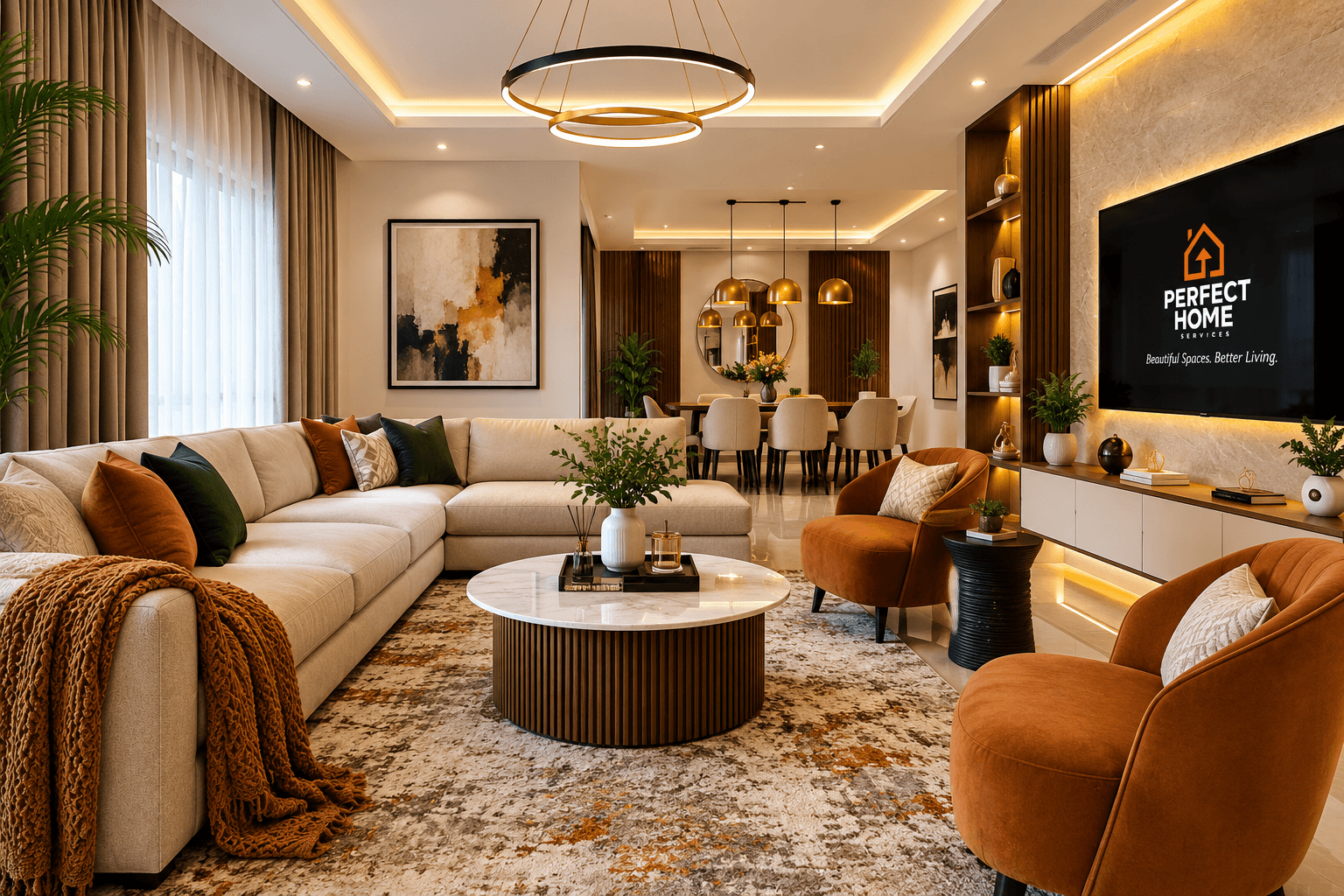
For example, a simple TV console, streamlined sofa and plain ceiling design can make a living room look sophisticated without overwhelming it.
2. Functionality Comes First
Every piece of furniture and accessory should serve a purpose. Instead of filling a room with decorative items, choose furniture that supports everyday activities.
Consider:
Storage beds for bedrooms
Floating TV consoles with concealed storage
Built-in wardrobes
Multifunctional furniture
Kitchen cabinets with organised compartments
Functional design is especially useful in apartments and smaller homes.
3. Neutral Colour Palettes
Neutral colours are commonly associated with minimalist interiors because they create a calm and cohesive appearance.
Popular choices include:
White
Cream
Beige
Warm grey
Taupe
Soft brown
Greige
However, minimalist interiors do not have to be completely colourless. A carefully selected accent colour, such as olive green, navy blue, terracotta or black, can introduce character without disturbing the overall balance.
4. Natural Light and Thoughtful Lighting
Lighting plays an important role in minimalist interior design. Natural light helps spaces feel open, while artificial lighting creates warmth and highlights important design features.
Consider large windows, light curtains, recessed ceiling lights, pendant lights and concealed LED profile lighting.
Warm white lighting can make neutral interiors feel inviting rather than cold.
5. Texture and Material Balance
A minimalist room can feel flat when every surface has the same finish. Introducing different textures creates depth while preserving simplicity.
You can combine:
Wood finishes
Natural stone
Glass
Matte surfaces
Soft upholstery
Textured wall finishes
Rugs and woven fabrics
The secret is to use a limited selection of materials that complement one another.
Popular Minimalist Interior Design Styles Explained
Minimalism can take different forms. Some styles focus on warmth and natural materials, while others emphasise architectural simplicity or industrial finishes.
Here are popular minimalist-inspired interior design styles and what makes each one unique.
1. Modern Minimalist Interior Design
Modern minimalist design combines simplicity with contemporary furniture, clean architectural lines and refined finishes.
Key features:
Neutral colour schemes
Sleek furniture
Smooth wall finishes
Simple ceiling designs
Glass and metal accents
Concealed storage
Minimal decoration
This style works well in living rooms, bedrooms, kitchens and modern apartments.
2. Scandinavian Interior Design
Scandinavian design focuses on simplicity, comfort, natural materials and functionality. It often uses light colours and wood to create bright, welcoming interiors.
Key features:
White and soft neutral walls
Light wood furniture
Natural fabrics
Simple furniture shapes
Functional accessories
Comfortable rugs and cushions
Plenty of natural light
Scandinavian interiors are ideal for homeowners who want a simple space that still feels warm and comfortable.
3. Japandi Interior Design
Japandi is a blend of Japanese design principles and Scandinavian simplicity. It combines Japanese appreciation for natural materials and thoughtful spaces with Scandinavian comfort and functionality.
Key features:
Earthy and muted colours
Natural wood
Low-profile furniture
Organic shapes
Handmade-looking accessories
Simple decorative elements
Calm, uncluttered spaces
Japandi is a good choice for people who appreciate natural beauty, understated elegance and peaceful interiors.
4. Industrial Minimalist Design
Industrial minimalism combines simple layouts with exposed or industrial-inspired materials. It creates a bold, practical appearance without excessive decoration.
Key features:
Concrete-inspired finishes
Black metal details
Exposed structural elements
Neutral colours
Simple furniture
Glass and wood combinations
Minimal accessories
This style can work particularly well in loft-inspired apartments, studios and contemporary commercial spaces.
5. Organic Modern Minimalism
Organic modern design combines minimalist principles with natural shapes, soft finishes and earthy materials. It creates a relaxed interior that feels modern but connected to nature.
Key features:
Warm white and beige tones
Natural wood
Stone-inspired surfaces
Curved furniture
Organic decorative objects
Soft fabrics
Indoor plants
It is an excellent option for homeowners who want a clean, elegant and welcoming space.
How to Create a Minimalist Living Room
The living room is often the centre of the home, making it an ideal place to introduce minimalist design.
Start with the furniture layout. Choose a sofa that suits the room's size and avoid overcrowding the space with too many chairs or tables.
Practical minimalist living room ideas include:
Choose a simple sofa in a neutral colour.
Use a sleek TV console with concealed storage.
Select one or two statement decorative pieces.
Introduce a rug to define the seating area.
Use curtains that complement the wall colour.
Choose a simple ceiling design with well-planned lighting.
Keep surfaces organised and free from unnecessary items.
A minimalist living room should feel spacious, comfortable and easy to maintain.
Minimalist Bedroom Design Ideas
A minimalist bedroom should support rest and relaxation. The design should be simple, comfortable and free from visual distractions.
Consider these ideas:
Use a bed with a simple headboard.
Choose soft neutral wall colours.
Install fitted wardrobes to reduce clutter.
Use bedside tables with practical storage.
Introduce warm bedside or concealed lighting.
Choose simple bedding and limited accessories.
Avoid overcrowding the room with furniture.
Soft beige, warm white, light grey and natural wood tones can create a peaceful bedroom atmosphere.
Minimalist Kitchen Design Ideas
A minimalist kitchen combines visual simplicity with efficient organisation. It should be easy to use, clean and maintain.
Some practical design ideas include:
Flat-panel or handleless kitchen cabinets
Neutral cabinet colours
Simple countertops
Integrated appliances where practical
Organised drawers and storage
Under-cabinet lighting
Minimal countertop accessories
Glossy white, matte beige, light wood and warm grey are excellent colour choices for a modern minimalist kitchen.
Minimalist Toilet and Bathroom Design
Minimalist principles can also transform toilets and bathrooms into clean, functional and visually relaxing spaces.
Consider:
Large-format tiles with subtle patterns
Wall-mounted sanitary ware
Floating vanity cabinets
Frameless mirrors
Simple shower screens
Concealed storage
Well-planned lighting
Choose durable, moisture-resistant materials and finishes that are easy to maintain.
Choosing Colours for a Minimalist Interior
Colour selection is essential when creating a cohesive minimalist interior. The best approach is to work with a limited colour palette and repeat selected colours across different elements of the space.
Here are some combinations to consider:
Warm white and light wood: Creates a bright, soft and welcoming interior.
Beige and taupe: Produces a warm, sophisticated and understated appearance.
White and black: Creates a clean, contemporary contrast.
Greige and walnut: Combines neutral softness with rich wood tones.
Cream and olive green: Introduces a natural accent while maintaining a calm atmosphere.
You can also introduce colour through cushions, artwork, rugs, plants and accent chairs rather than using too many different wall colours.
Common Mistakes to Avoid in Minimalist Interior Design
Minimalist design may appear simple, but achieving the right balance requires planning. Avoid these common mistakes:
Making the space feel empty: Minimalism is about intentional design, not removing everything. Include comfortable furniture, suitable lighting and a few meaningful accessories.
Using too many colours: Too many competing colours can make the interior feel visually busy.
Ignoring storage: Without proper storage, everyday items can create clutter.
Choosing furniture that is too large: Oversized furniture can make a room feel crowded.
Using only one texture: Combine wood, fabric, stone and other suitable finishes to add depth.
Ignoring lighting: Poor lighting can make a minimalist room feel dull or uncomfortable.
Prioritising appearance over comfort: Furniture and finishes should be practical as well as attractive.
Is Minimalist Interior Design Suitable for Nigerian Homes?
Yes. Minimalist interior design can work beautifully in Nigerian homes, from compact apartments to large duplexes.
The key is to adapt the style to the home's layout, climate, lifestyle and maintenance needs.
For Nigerian homes, consider:
Easy-to-clean flooring and wall finishes
Durable furniture materials
Practical storage for everyday household items
Window treatments that manage sunlight and privacy
Good ventilation and natural lighting
Quality finishes that can withstand regular use
You can also introduce local artwork, carefully selected decorative pieces and natural materials to give a minimalist home personality and character.
Minimalism does not mean removing cultural identity. It means presenting the things you value in a more intentional and organised way.
How Perfect Home Services Can Help You Achieve a Minimalist Interior
Creating a beautiful minimalist home requires more than buying simple furniture. It involves proper space planning, colour selection, lighting design, material coordination and professional finishing.
At Perfect Home Services, we help homeowners transform their spaces through professional interior design and home improvement solutions.
Our services include:
Interior design and space planning
Colour consultancy
3D interior design and visualisation
POP ceiling and lighting design
Wall finishes and painting
Kitchen and wardrobe design
Furniture selection and furnishing
Tiling and general finishing
Whether you want a modern minimalist living room, a peaceful bedroom, a functional kitchen or a complete home transformation, our team can help bring your vision to life.
Ready to create a beautiful, functional and clutter-free home?
Contact Perfect Home Services today to discuss your interior design project.
Website: www.phsinteriors.com
Frequently Asked Questions About Minimalist Interior Design
What is the main idea of minimalist interior design?
The main idea is to create a simple, functional and visually balanced space by removing unnecessary elements and keeping only what adds purpose, comfort or beauty.
What colours are best for minimalist interiors?
White, beige, cream, warm grey, taupe and soft earth tones are popular choices. Black, olive green and other muted colours can be used as accents.
Is minimalist interior design expensive?
Not necessarily. Minimalist design can be achieved at different budget levels. Careful planning, prioritising essential furniture and selecting durable finishes can help control costs.
What is the difference between minimalist and modern interior design?
Minimalist design focuses on simplicity, functionality and reducing visual clutter. Modern interior design is a broader style that can include contemporary forms, materials and finishes. A modern interior can be minimalist, but not every modern interior is minimalist.
What is the difference between Japandi and Scandinavian design?
Scandinavian design often focuses on light, comfort and functional simplicity. Japandi combines Scandinavian comfort with Japanese-inspired natural materials, simplicity and understated elegance.
Can minimalist design work in a small apartment?
Yes. Minimalist design is particularly useful in small apartments because it encourages efficient layouts, multifunctional furniture, smart storage and uncluttered spaces.
Final Thoughts
Minimalist interior design is about creating a home that feels comfortable, organised and intentional. Through clean lines, functional furniture, balanced colours, natural materials and thoughtful lighting, you can achieve a space that is both beautiful and practical.
Whether you prefer modern minimalism, Scandinavian simplicity, Japandi elegance or organic modern design, the most important thing is to choose a style that reflects your lifestyle.
With the right planning and professional guidance, your home can become a timeless reflection of simplicity and good design.
Perfect Home Services – Beautiful Spaces. Better Living.
Ready to get started?
Talk to the Perfect Home Services team about your interior design, cleaning or real estate needs.
Book a Consultation